
Urth Caffé Heirloom Organic Coffee ~ Lower in Acid & Healthier for All
Urth Caffé Heirloom Organic Coffee ~ Lower in Acid & Healthier for All
“In the late eighties, Jilla and I began researching to start our own business following our passion for coffee and for supporting a healthier environment while giving back to the resources,” said Shallom Berkman who co-founded Urth Caffé with his wife Jilla.
“This research led us to meet Jorge Cebreros, a leading organic coffee agronomist and pioneer in certified organic, sustainable and fair-trade coffee. Jorge at that time was the director of an organic, sustainable and fair-trade coffee estate in Chanchamayo, Peru – one of the first of a few certified organic coffee estates in the world. He explained to us that the key to the best quality coffee – and an essential part of a sustainable and biodynamic program – is to plant heirloom coffee seedlings,” Shallom continued.
The coffee seedlings Jorge was referring to had never been genetically modified; they originate from and grew wild in the highest altitudes of the remote Ethiopian rainforests.
The type of heirloom coffee seedling that Jorge imported to Peru was called Typica, a rare type of heirloom, Arabica coffee tree. “Jorge taught us that Typica coffee trees grow up to 20 feet tall, require deep shade from the rainforest canopy, and produce superb coffee with the lowest acid content.”
The heirloom coffee tree was perfect for sustainable agriculture at over 5,000 feet above sea level in the Chanchamayo mountains of Peru – to preserve the indigenous rainforest while cultivating the finest, lowest acid coffee in the world.
“Jorge Cebreros was the inspiration for Jilla and I to start America’s (and perhaps the world’s) first exclusively heirloom organic coffee company in 1989. Continuing with the tradition we learned from Jorge, in 1994, Jilla and I visited and collaborated with the world’s first certified organic coffee estate ‘Finca Irlanda’ in Tapachula, the Chiapas region of Mexico. This was to be the second source of heirloom, organic coffee for Urth Caffé."
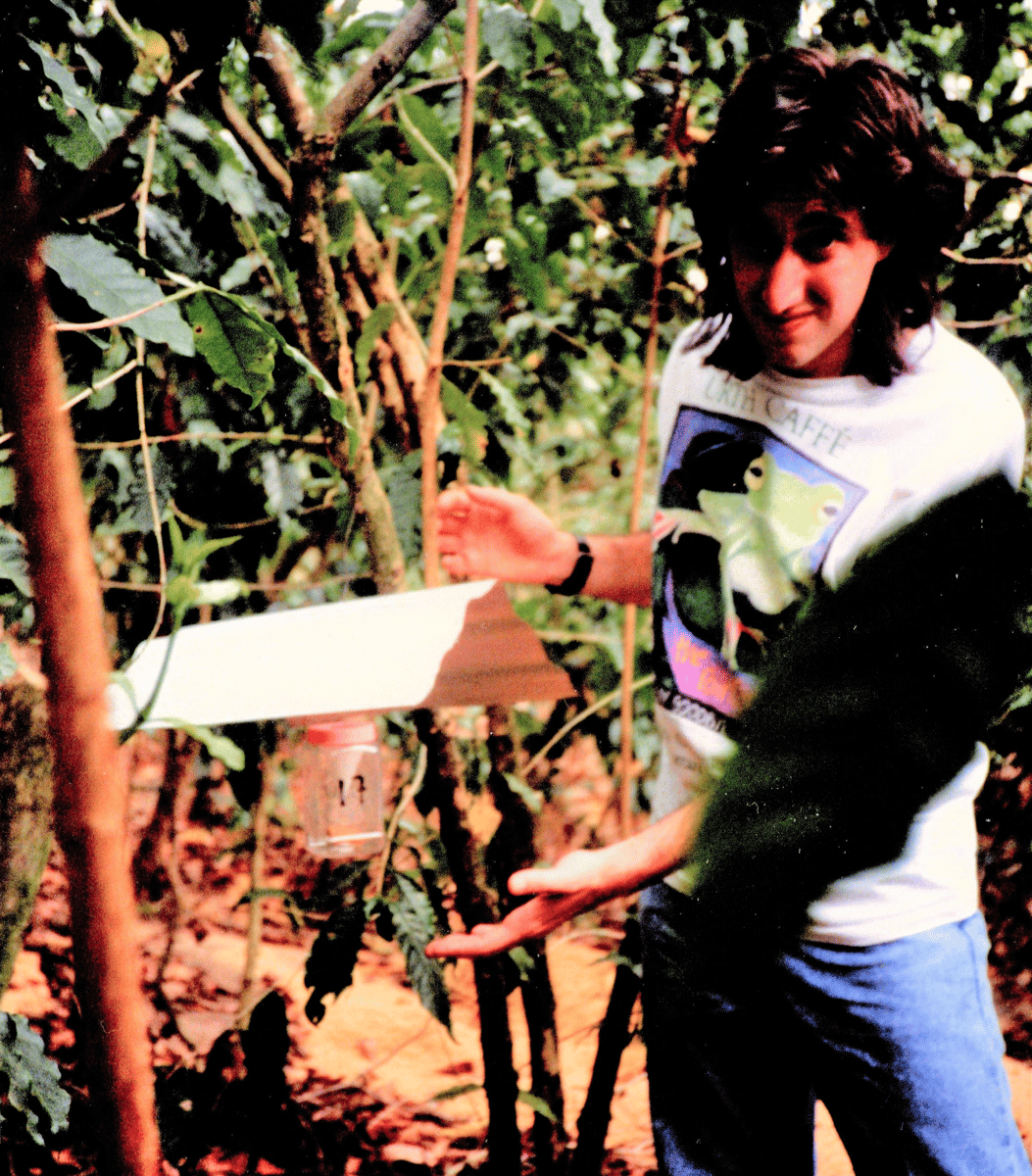
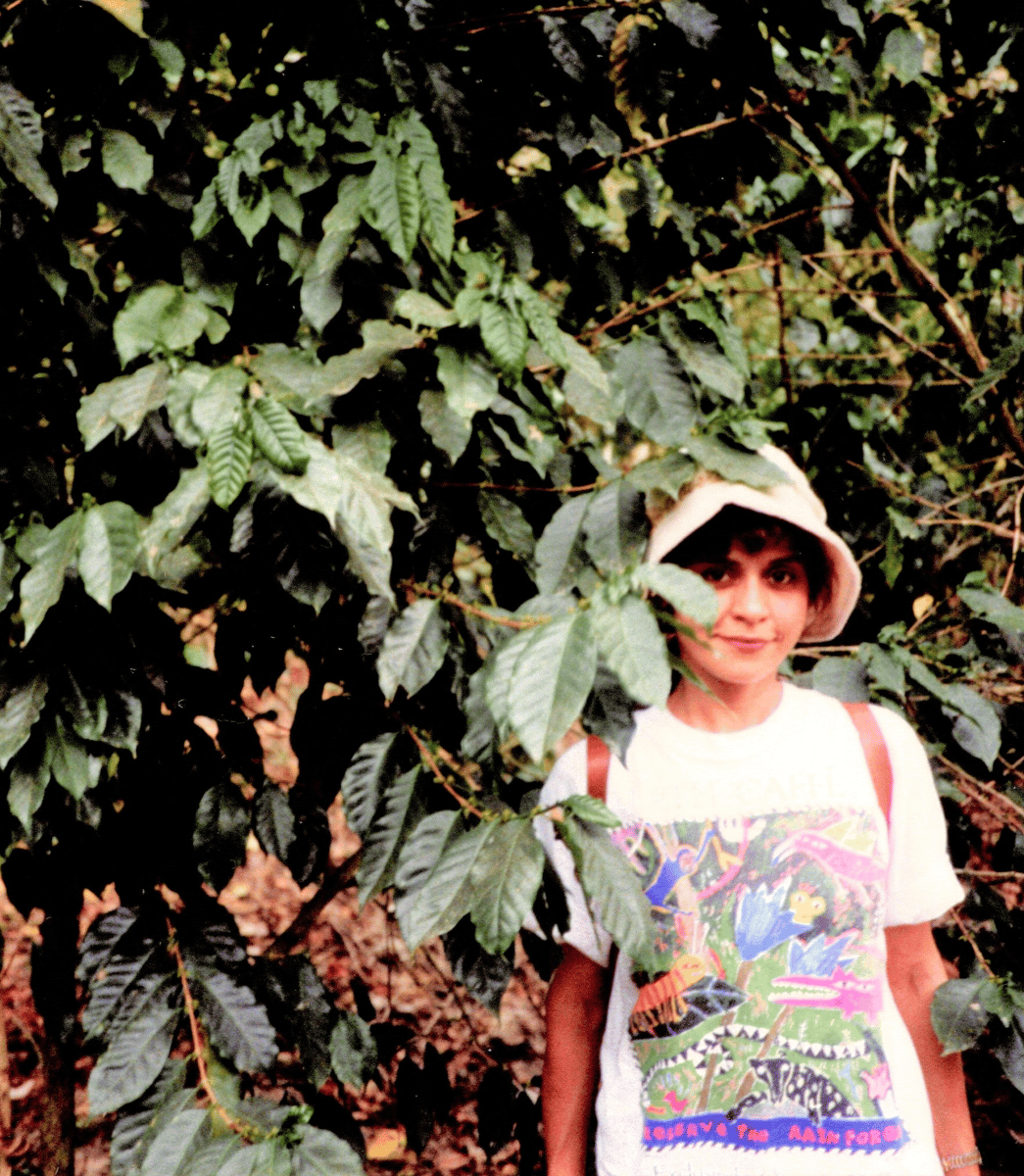
Left: Urth Caffé Co-Founder Shallom Berkman shows a natural method of pest control in Chiapas, Mexico – bottles containing coffee alcohol from the coffee cherry fruit hang on each coffee tree. The strong fragrance attracts insects into the bottles from which they never come out! At right is Co-Founder Jilla Berkman during that visit.
“In our quest to inspire other coffee growers in the most pristine rainforests found in the world’s equatorial belt to produce heirloom organic coffee exclusively for Urth Caffé, we began to visit coffee growers in Central and South America, Indonesia and Africa. We have established many relationships directly with these great coffee farmers establishing the Urth Caffé standards of growing exclusively heirloom organic coffee in a sustainable, biodynamic way with premium pay incentives to farmers. This is why we always say ‘Urth Caffé heirloom organic coffee is the best coffee in the world and healthier for all.’”
What is Heirloom Coffee?
Urth coffee is harvested exclusively from heirloom coffee trees producing the lowest acid coffee in the world. There are several types of heirloom stock used to produce Urth coffee including: Geisha, Typica, Bourbon, Yellow Bourbon and others. Heirloom coffee trees have never been genetically modified from their ancient, wild ancestors.
Our source farms are located at high altitudes and Urth coffees are harvested and processed with the finest European techniques including picking only ripe cherries and triple hand sorting to find the finest beans. Only the top 1% of the yield will be good enough. Heirloom trees require deep shade and grow up to 20 feet tall. Heirloom coffee possesses superior sweetness, aroma, less acid, and is easier to digest than coffee from conventional, hybridized trees.
What is Certified Organically Grown?
Independent third-party certifiers inspect all Urth Caffé source farms annually and hold them to the highest international standards guaranteeing that Urth heirloom organic coffee is 100% chemical free. Inspectors test soil, leaves and beans for chemical residue and audit the shipping of the beans to prevent blending or spraying of beans. All Urth coffees are fully inspected, documented, and certified annually.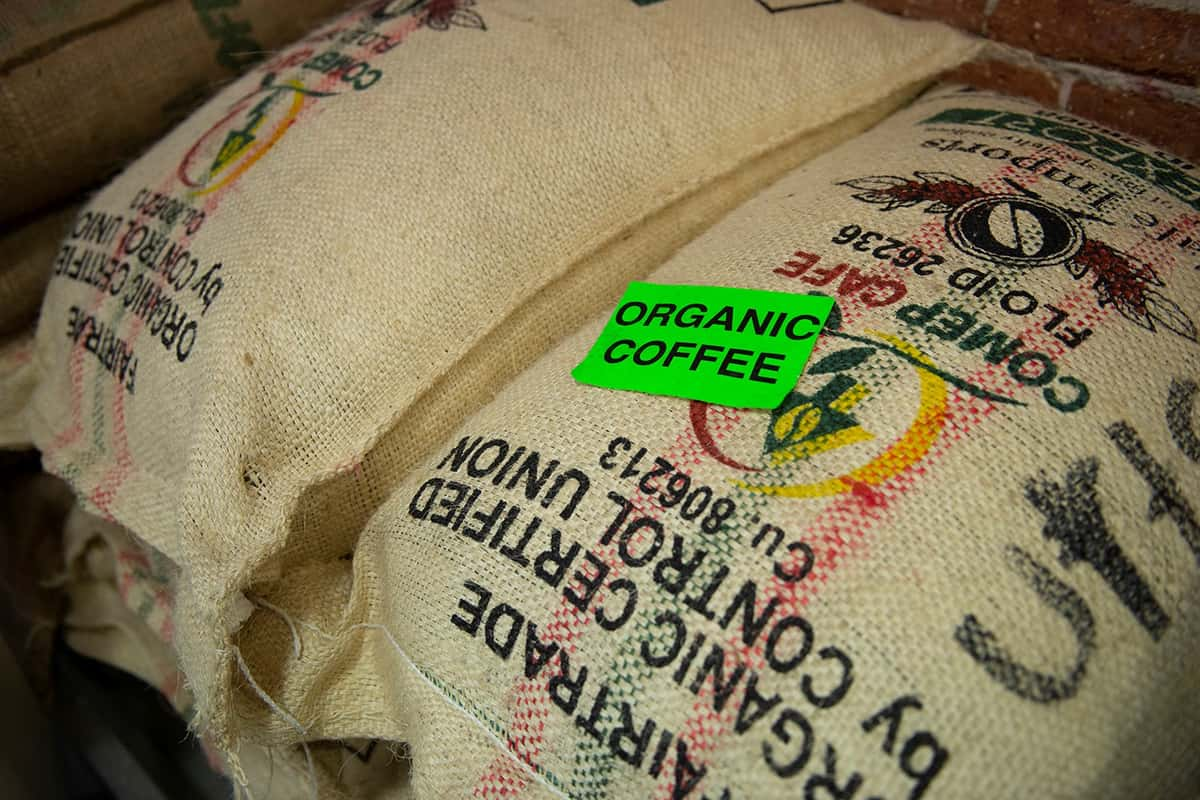
What does sustainability and biodynamic mean?
Urth Caffé source farms use a holistic approach to grow superior coffee while protecting the longevity of the soil. Sustainable techniques include composting, livestock manure, intercropping and cross-cropping, natural pest control and collecting rainwater.
Urth Caffé invests in beehives to promote cross pollination and developing honey as a secondary income for farmers.
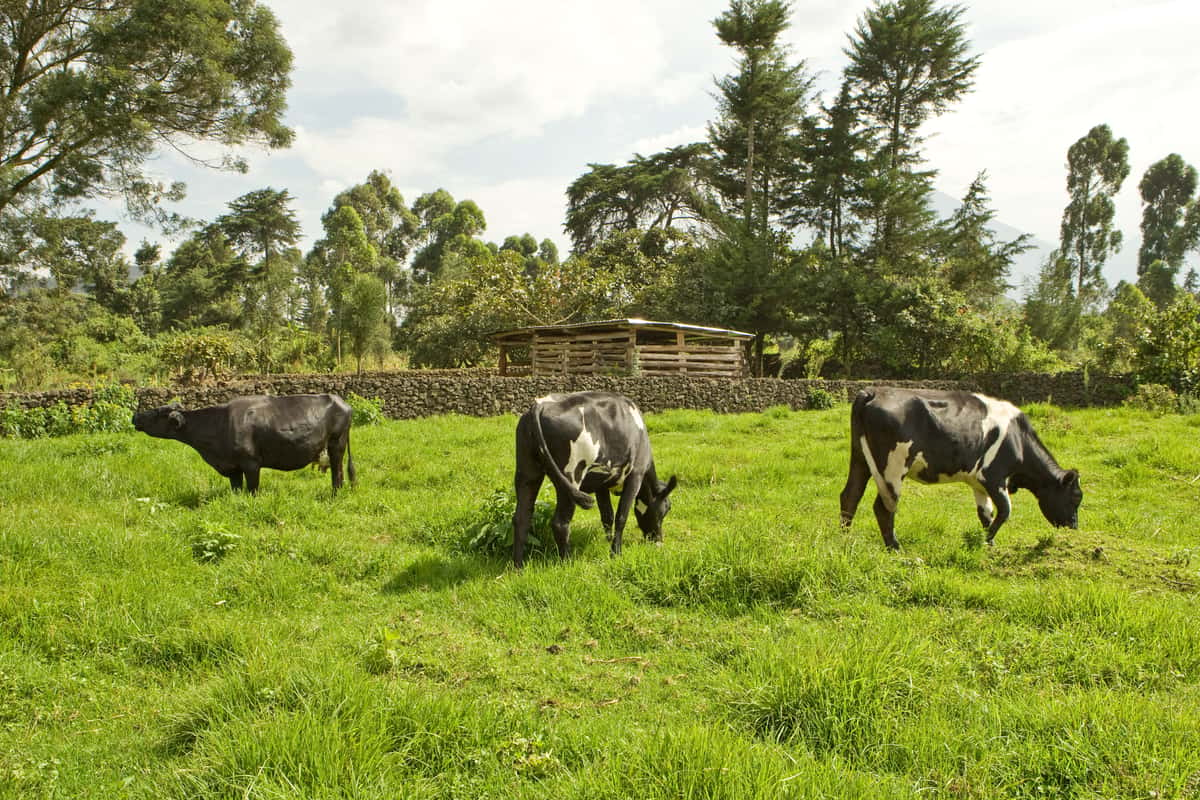
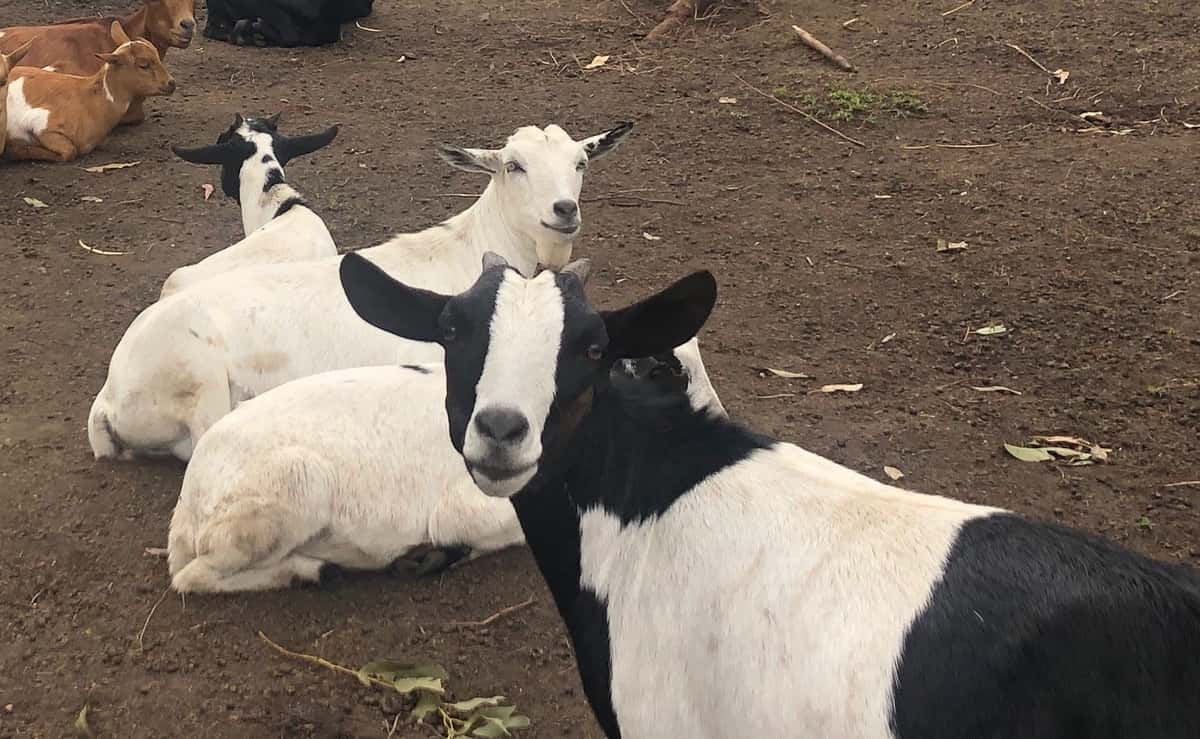
Urth also invests in dairy cows, goats and chicken hatcheries. Livestock provide good, organic animal manure, the dairy makes an excellent source of nutrition, and provides additional income to farmers in between harvests so that they don’t presale the coffee before it’s fully ripe.
Fruit Trees & Shade Grown
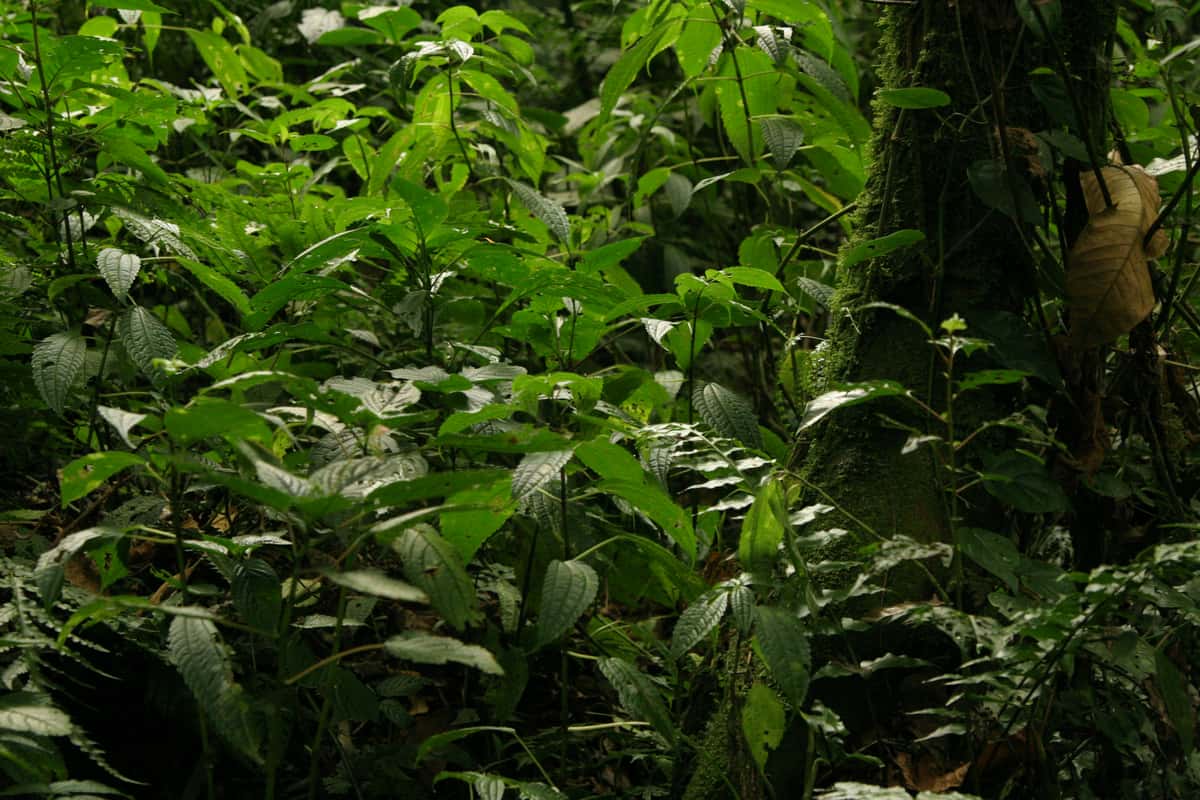
Heirloom coffee must be shade grown to ensure quality and protect rainforest habitat. Coffee trees that are grown under a canopy of larger trees produce the best quality coffee. The coffee cherry matures more slowly and produces coffee that is sweeter and highly aromatic. 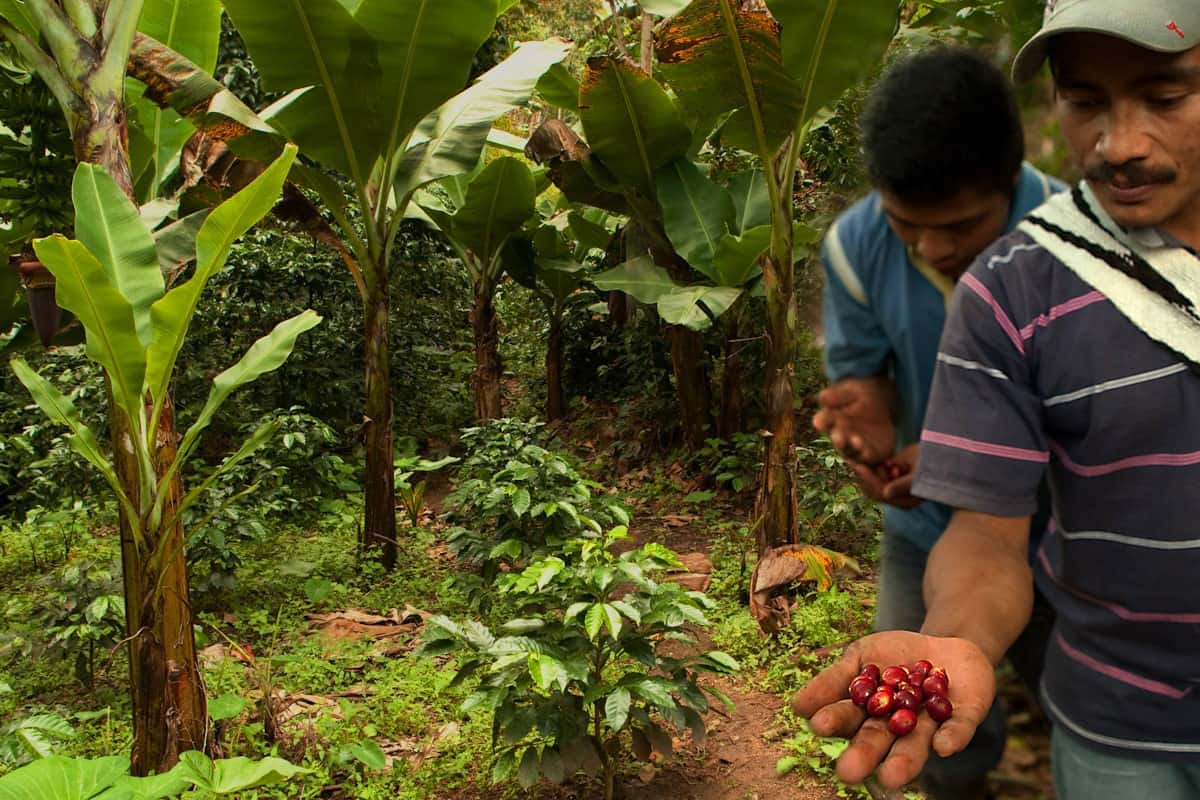
On coffee farms established by Urth Caffé, in areas that do not have indigenous trees for shade, they are encouraged to plant avocado, fig, citrus, papaya, and banana trees. The fruit trees attract birds, bees, and provide heirloom coffee with the necessary shade cover.
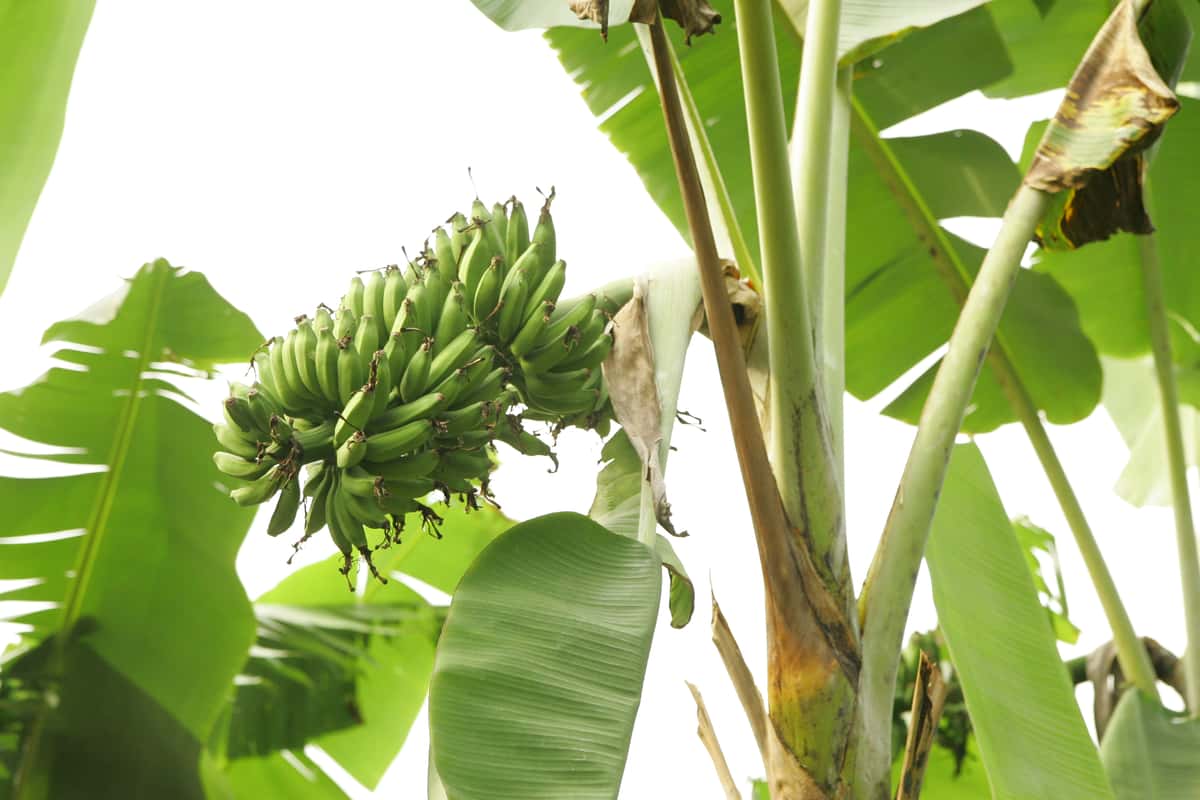
The flower blossoms of fruit trees infuse the coffee with their aromas, and the fruits bring additional sources of income to the farm. This is how Urth Caffé heirloom organic coffee farmers are doing their part to save the planet.
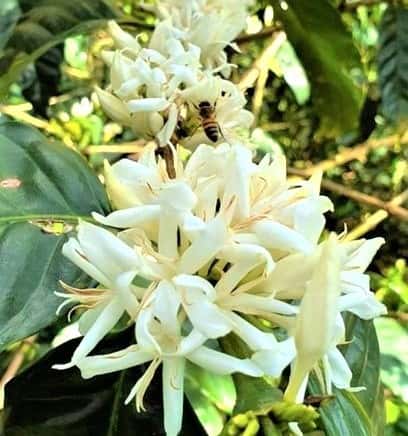
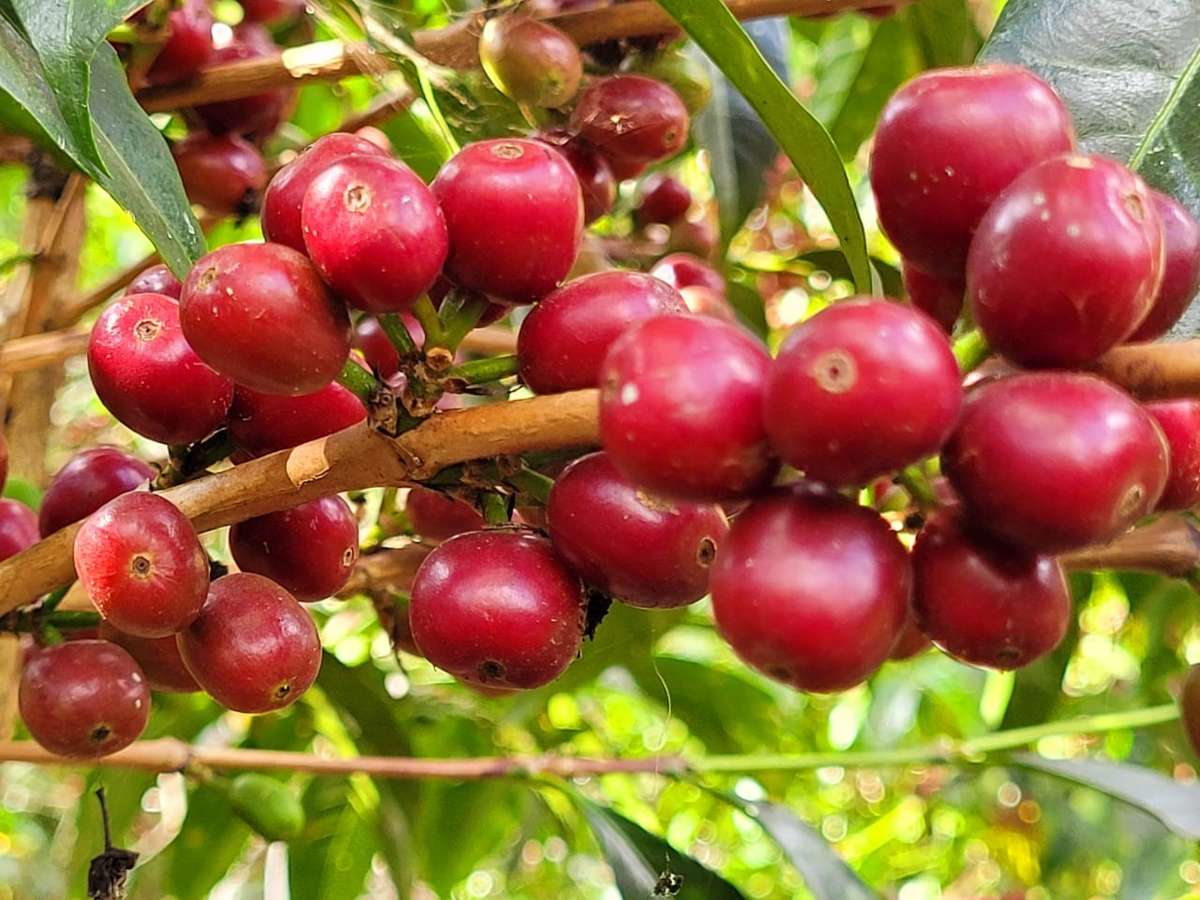
Left: Coffee flower blossoms resemble jasmine – white, star-shaped blossoms bloom in clusters
at the base of the leaves, producing an exquisite scent that attract bees.
Right: Ripe, red coffee cherries contain two coffee beans each.
“This is why we always say ‘Urth Caffé heirloom, organic coffee
is the best coffee in the world and healthier for all.’”
~Shallom Berkman